
Seeing your manuscript's status change to "Article in Press" (sometimes called "Early Access," "Online First," or "Accepted Manuscript") is a massive relief. It means the grueling peer-review process is over and your research has been validated.
However, the terminology can be confusing. Authors frequently wonder if they can finally add the paper to their CV or if they are still waiting for a final confirmation.
Here is exactly what this status means, how the academic community views it, and how you should handle it professionally.
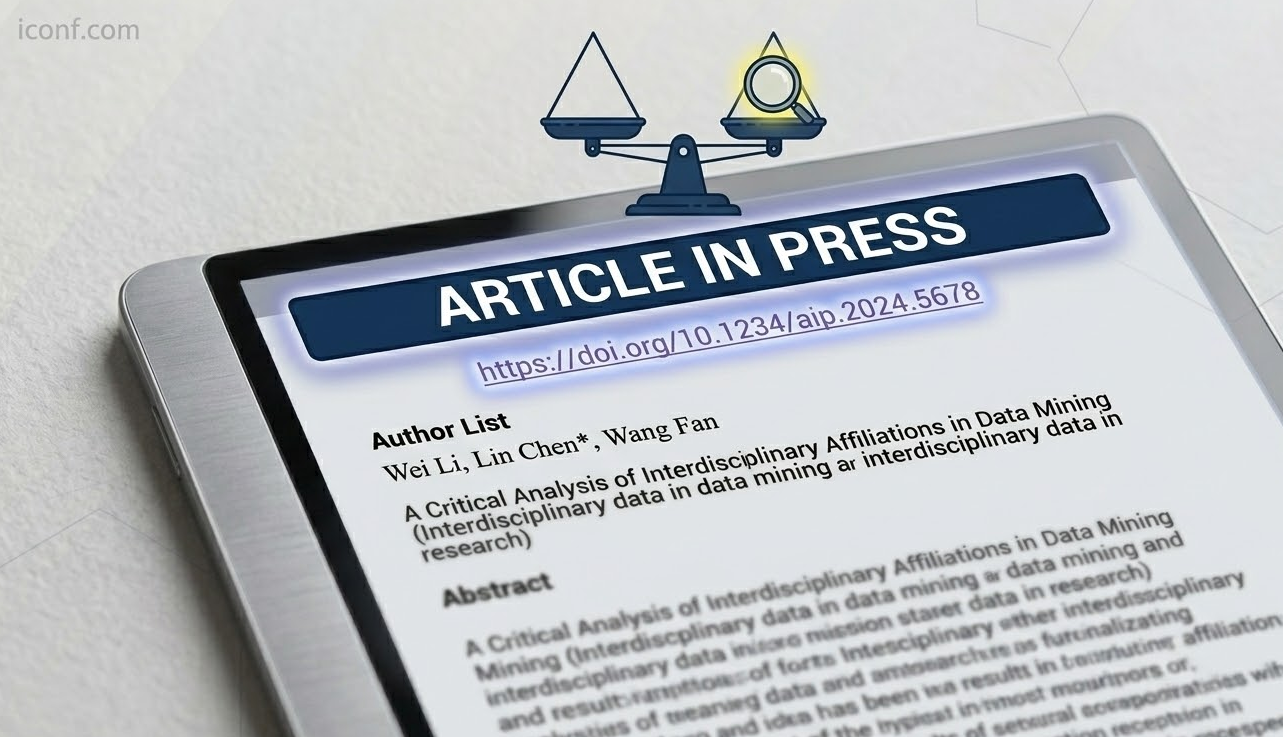
When a journal labels a paper as "Article in Press," it means the manuscript has been officially accepted for publication, has completed the peer-review process, and is considered a finalized piece of science.
The only reason it is "in press" rather than "fully published" is due to administrative and formatting backlogs. The publisher is currently waiting to compile enough accepted papers to bundle them together into a complete, paginated journal issue.
While it waits for that final bundle, the publisher releases the digital version online so the scientific community can read the findings immediately without waiting months for the physical printing or final volume compilation.
For all practical, academic, and professional purposes: Yes, it is officially published.
The Science is Final: The core data, methodology, and conclusions will not change. The peer-review phase is entirely closed.
It is Copyrighted: The publisher has officially taken over the copyright and hosting responsibilities.
It is Publicly Available: The paper is live on the journal's database, meaning other researchers around the world can find it, read it, and download the PDF.
The only things missing from an "Article in Press" are the final cosmetic details: the specific Volume number, the Issue number, and the final page ranges.
You can absolutely add an "Article in Press" to your curriculum vitae, grant applications, and university graduation portfolios. Because it has passed peer review, hiring committees and funding boards treat it with the exact same weight as a fully paginated paper.
Furthermore, other researchers can and will cite your paper while it is in this phase.
Because the paper does not yet have volume or page numbers, the academic publishing industry relies entirely on the Digital Object Identifier (DOI). When the paper is posted online early, the publisher mints a permanent DOI. This link guarantees that anyone clicking the citation will be directed to your paper, regardless of where it currently sits in the formatting queue.
The time a paper spends in this limbo phase varies wildly depending on the publisher. It can last anywhere from a few weeks to several months.
Once the publisher is ready to release the next quarterly or monthly issue, they will take your paper, assign it to that specific volume, and give it sequential page numbers. At that moment, the "Article in Press" label will be removed, the DOI will automatically route to the finalized PDF, and your publication journey will be completely finished.